2026-11-15 ·
How to Test Your Pressure Reducing Valve Near Thanksgiving Point
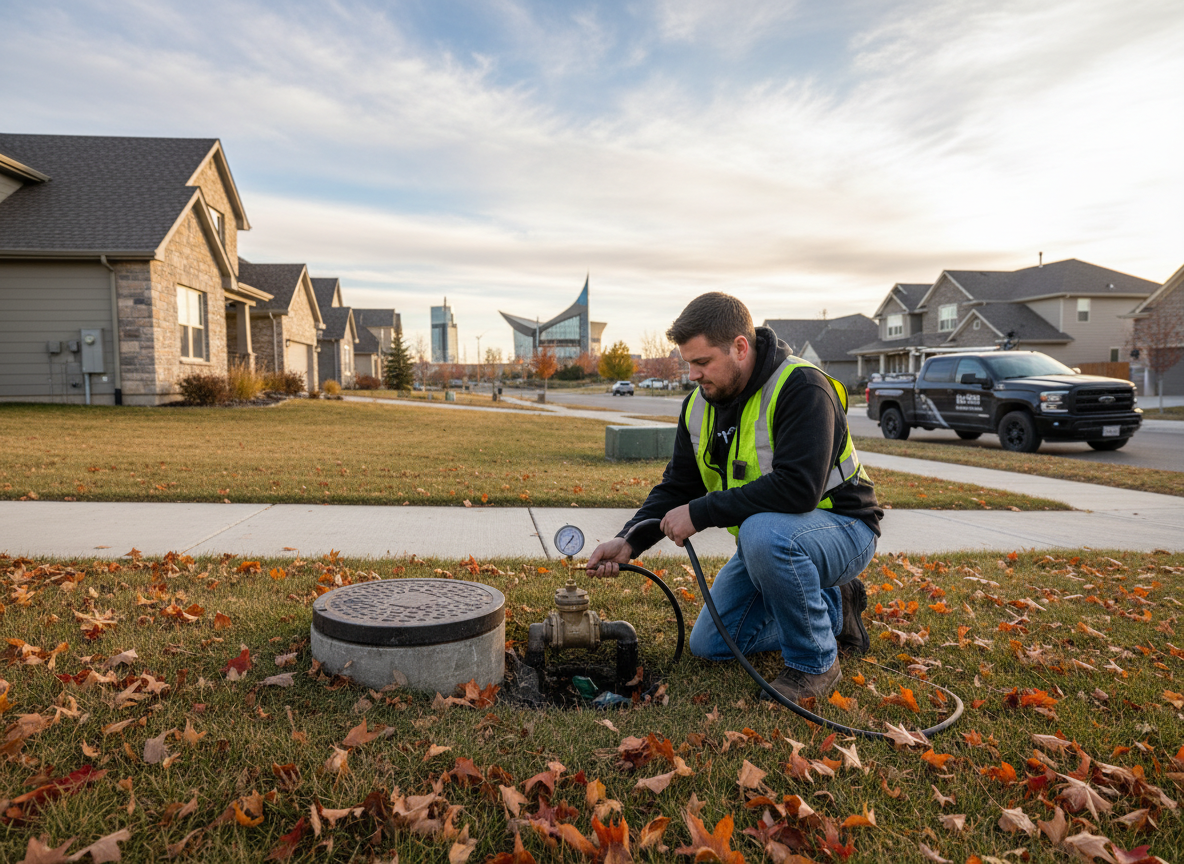
Testing your pressure reducing valve near Thanksgiving Point starts with attaching a pressure gauge to an outdoor hose bib before the valve and another after it, then running water to compare readings against the typical 40-60 psi house-side target common in Lehi subdivisions.
Checking Local Water Supply Conditions
Utah's semi-arid climate brings wide pressure swings between hot summer irrigation demands and cold winter freezes that can damage valves in Lehi East Bench homes. Start by noting any recent city supply changes or neighborhood construction that might affect incoming pressure from the main line. Run cold water at multiple fixtures inside the house while watching the gauge to see if readings hold steady or drop sharply, which points directly to valve performance rather than fixture clogs. Compare these numbers to the pressure at an outdoor spigot located before the valve to isolate whether the device itself is restricting flow too much or too little. Document the time of day and temperature during the test, since early morning peaks often reveal issues hidden during low-demand hours.
Preparing Tools and Safety Steps
Gather a 0-100 psi water pressure gauge with a standard hose thread adapter, a wrench for any necessary adjustments, and towels to catch drips. Shut off the main water supply briefly if you need to install the gauge on an indoor line, then restore flow before recording steady readings at full and partial flow rates. Wear eye protection and work in a well-ventilated area if accessing the valve near the water heater or in a crawl space common to local homes. Avoid testing during peak summer heat when outdoor temperatures exceed 95 degrees, as hot pipes can give misleading gauge results. Keep a notebook handy to log each reading and the corresponding fixture being used so patterns become clear over multiple tests.
Performing the Actual Valve Test
Attach the gauge to a hose bib closest to the valve on the street side and record the incoming pressure, then move to a bib or faucet after the valve and repeat the measurement under the same flow conditions. Open several fixtures simultaneously to simulate normal household demand and watch whether the post-valve reading stays within the 40-60 psi range or climbs above 80 psi, indicating the valve may be stuck open. Close all water outlets and recheck static pressure to confirm the valve maintains consistent control rather than allowing spikes. Repeat the full sequence on a second day with different outdoor temperatures to account for seasonal shifts typical along the Wasatch Front. Note any unusual noises like hammering pipes during the test, as these often accompany failing pressure reducing valves in older Lehi neighborhoods.
Interpreting Readings and Next Actions
Readings consistently above 70 psi on the house side after the valve suggest the device needs adjustment or replacement to protect appliances and pipes from excess stress. Low readings below 35 psi point to a valve that may be clogged with mineral buildup common in Utah's hard water supply or damaged by past freeze events. Cross-reference your test data with the guide on diagnosing low water pressure after winter freeze in Lehi East Bench homes for additional context on cold-weather impacts. If results fall outside normal ranges, review the details on pressure reducing valve replacement to understand permanent fixes available through local referrals. Homeowners in Lehi can also consult water pressure regulator repair options when the valve shows signs of wear but may not require full replacement yet.
Maintaining Records for Future Reference
Keep dated test logs that include pressure numbers, weather conditions, and any fixture changes so trends become visible over time. Re-test the valve each spring after winter thaws and again in late summer when irrigation systems run heavily to catch seasonal drift early. Share these records with any plumber who visits so they can focus immediately on the valve rather than repeating basic checks. This ongoing documentation helps distinguish between temporary supply fluctuations from the Lehi water system and actual device failure that requires attention.